
- Home
- Lifestyle
- The art of living in Provence
- Honey, the new liquid gold—yet its history dates back thousands of years
Honey, the new liquid gold—yet its history dates back thousands of years
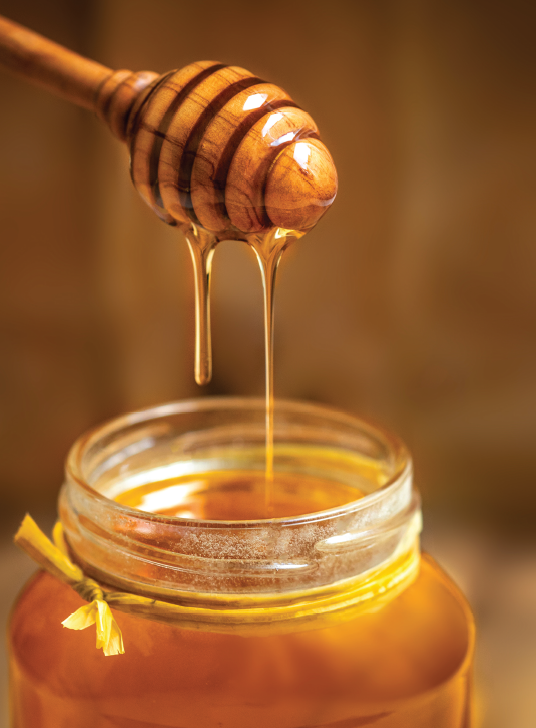
The History of Honey
The history of honey dates back thousands of years. The earliest evidence of honey consumption goes back to prehistoric times, when humans gathered wild honey from beehives. However, the domestication of bees dates to ancient Egypt, where beekeeping was practiced as early as 2400 BC.
Honey was highly valued in ancient civilizations. The Egyptians used it in cooking, in the preparation of drinks, and even in religious rituals. Honey was also used as an offering to the gods in many cultures.
Over time, honey production developed across different regions of the world. Beekeeping techniques evolved, allowing better hive management and more efficient honey production.
Today, honey is consumed worldwide and appreciated for its sweet flavor and health benefits. It is used in cooking, baking, beverages, and even in certain beauty products. Modern beekeeping uses advanced methods to produce high-quality honey while ensuring the preservation of bees and their environment.
The history of honey is therefore closely linked to that of humanity, and this precious substance continues to be valued and used today.
Symbolism
Honey holds rich and varied symbolism in many cultures around the world:
Sweetness and pleasure: Honey is often associated with sweetness and enjoyment due to its delicious taste. It symbolizes life’s pleasures and joyful moments.
Abundance and prosperity: Honey is commonly seen as a symbol of abundance, fertility, wealth, and good fortune.
Healing and well-being: Used for centuries in traditional medicine, honey symbolizes healing, regeneration, and vitality.
Love and romance: Honey can represent affection, tenderness, and romantic relationships.
Communication and harmony: In some traditions, honey symbolizes gentle communication and harmonious relationships.
These meanings may vary depending on cultures.
How Honey Is Made
Honey production begins when bees collect nectar from flowers. Nectar is a sugary substance produced to attract pollinators. Bees gather it with their tongues and store it in their stomachs.
Back at the hive, they pass the nectar to other bees through a process called trophallaxis, repeated many times. Enzymes gradually transform the nectar into honey.
The mixture is stored in honeycomb cells, where bees fan their wings to evaporate water. Once the water content drops below 18%, the cells are sealed.
Honey serves as a food reserve for bees. Beekeepers harvest it by extracting it from the combs, filtering it, and packaging it.
Depending on the flowers, honey can be monofloral (at least 80% from one flower) or polyfloral.
Pollen, Propolis, Nectar and Royal Jelly
Pollen: edible, rich in nutrients and antioxidants.
Propolis: a resin mixed with wax, acting as a natural antiseptic.
Nectar: rich in sugars, amino acids, minerals, and proteins.
Royal jelly: a revitalizing substance used to feed larvae and the queen.
How to Recognize Real Honey
Climate change has reduced honey production significantly. Some producers add glucose, lowering quality.
To ensure authenticity, buy directly from beekeepers or choose certified organic honey.
Honey and Health
Honey contains antioxidants, vitamins, and minerals that support the immune system. It has antibacterial and anti-inflammatory properties.
However, it is also high in sugar and calories, so it should be consumed in moderation, especially for people with specific dietary needs.
Types of Honey
Common varieties include chestnut, wildflower, dandelion, clover, lavender, thyme, rosemary, fir, and more. Each offers different health benefits.
Competitions
To promote quality, the French National Beekeeping Union organizes honey competitions. Created in 2017, these events highlight the diversity of French honey and reward beekeepers’ expertise.
They are open to French beekeepers producing at least 300 kg of honey with a minimum of 50 hives.